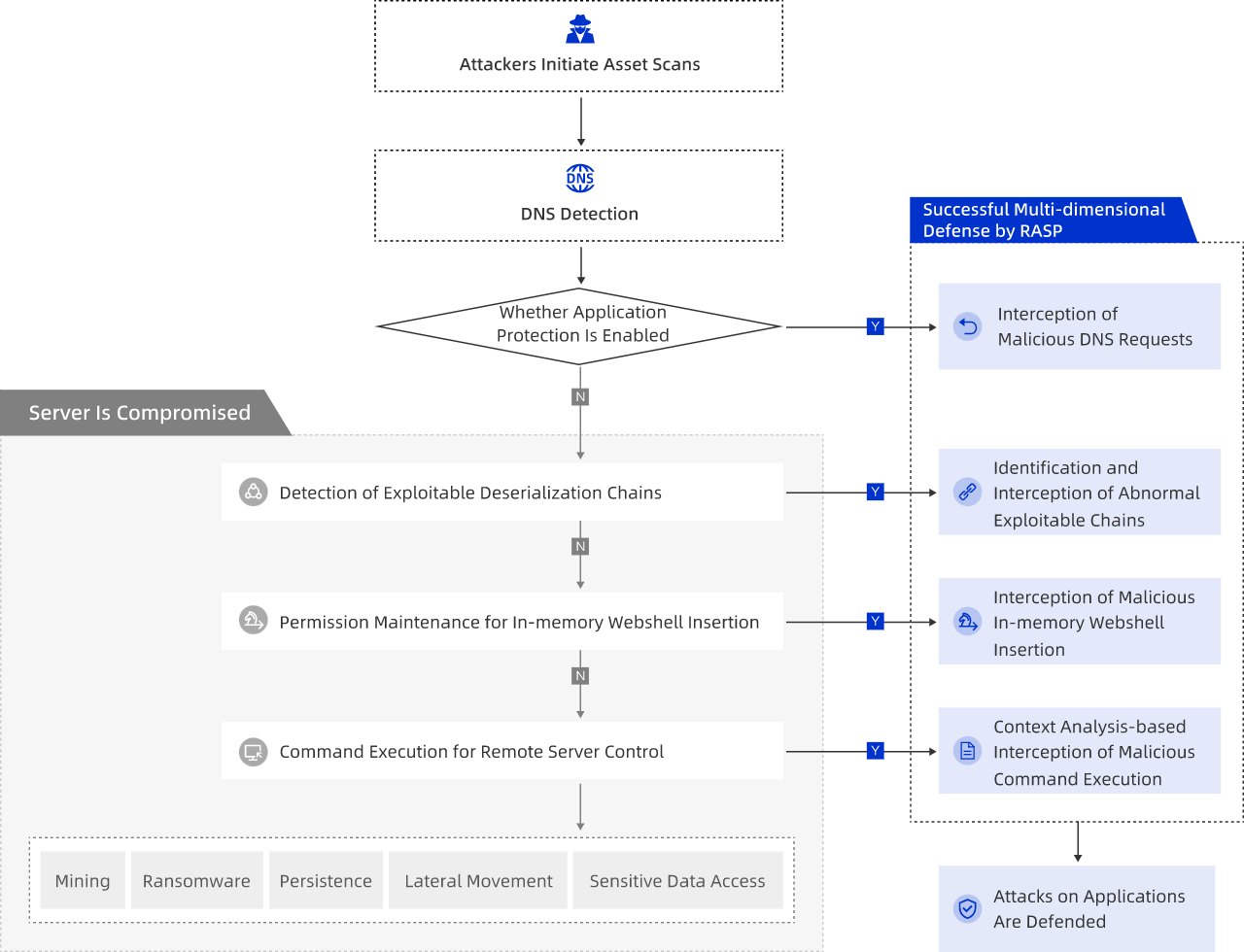
Learn About Application Protection
Overview The application protection feature is developed based on the runtime application self-protection (RASP) technology. This feature can detect attacks
Read More
Overview The application protection feature is developed based on the runtime application self-protection (RASP) technology. This feature can detect attacks
Read More
XXE injection refers to a web security vulnerability that allows an attacker to interfere with an application’s processing of XML data. This, in turn, makes it possible to access files on the application server file system and, in some cases, even, achieve remote code execution.
Read More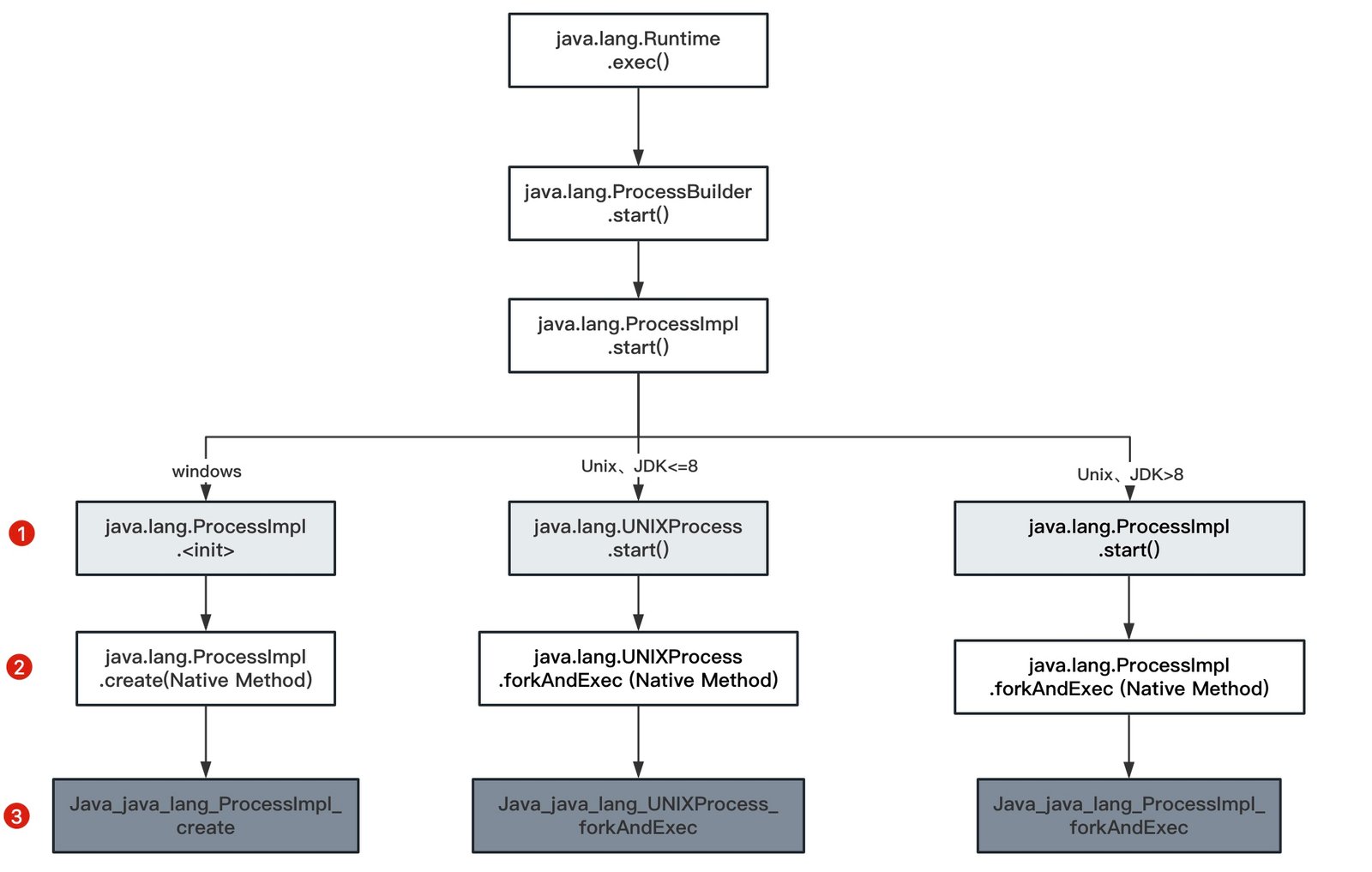
Traditional RASP solutions typically hook at the first layer shown in Figure 1-2—specifically, the
Any work with JNDI requires an understanding of the underlying service as well as an accessible implementation. For example, a database connection service calls for specific properties and exception handling.
Read MoreRuntime application self-protection, or RASP, is a security technology that operates within software applications to monitor, detect, analyze, and protect against malicious activity automatically in real-time while the application is running.
Read More